10 Best Fungi Books You Forgot About
| November 22, 2019
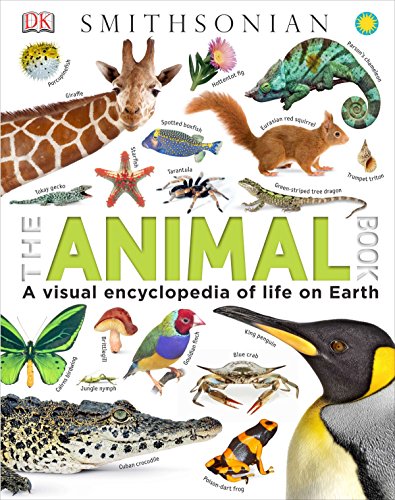
1.) The Animal Book A Visual Encyclopedia of Life on Earth
Mom’s Choice Awards® Gold Award Winner
A must have for every classroom library and family bookshelf. The wonders of the natural world are set on incredible display in The Animal Book created by DK and the Smithsonian.
Our world is filled with extraordinary diversity from amoebas to zebras tiny toadstools to giant oaks. This dynamic guide to life on our planet is packed full of information about creatures big and small. Structured according to scientific classification and with straightforward explanations of more than 1 500 specimens this book includes tons of stunning photographs to engage children. A “tree of life” greets readers at the beginning of the book charting the complex and interconnected relationships between species.
Every plant and animal is presented in proportion with in depth spreads giving a sense of scale to each organism. Feature spreads that focus on a single specimen let kids get up close and personal with the world’s most fascinating animals. The Animal Book is perfect not only for homework help or school reports but to satisfy kids’ curiosity about the wealth of amazing living creatures that inhabit our planet. More Reviews On Amazon
2.) My First Book About Backyard Nature Ecology for Kids (Dover Children’s Science Books)

Winner of a 2017 Moonbeam Children’s Book Award Silver Medal!
Millions of creatures live in the backyard: beetles and bugs; butterflies and birds; turtles and toads; ants earthworms and tiny animals hidden in the grass or deep in the soil. These creatures lead busy lives climbing trees crawling over rocks searching for food and building nests. With this book’s 46 pages of illustrations — each accompanied by fact filled captions — kids can combine the fun of coloring with the fascination of discovering how all kinds of living creatures are linked together.
Realistic pictures to color depict the backyard through all four seasons and during the day and night. The captions identify different types of trees flowers and bushes; butterflies moths and birds; reptiles and amphibians; and many other plants and animals. Suitable for ages 8 11 this informative coloring book recaptures the excitement of the natural world that’s right outside the back door.
3.) Plants That Never Ever Bloom A Book About Plants without Flowers (Explore )

Perfect for introductory science and biology lessons!
Explore science. This nonfiction picture book serves as an introduction to plants that do not have flowers like mushrooms seaweed ferns and more! Vibrant colorful spreads detail many different types of plants.
“A feast for the eyes…. Readers will be entranced with the beauty and breadth of the flowerless plants she describes.”—San Francisco Examiner More Reviews On Amazon
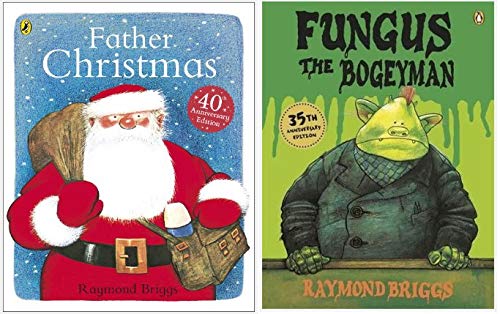
4.) Raymond Briggs Fungus the Bogeyman and Father Christmas 2 Books Collection Sets
5.) Unofficial 1 000 Magical Herbs and Fungi Unofficial Encyclopedia of the Wizarding World – Volume 3
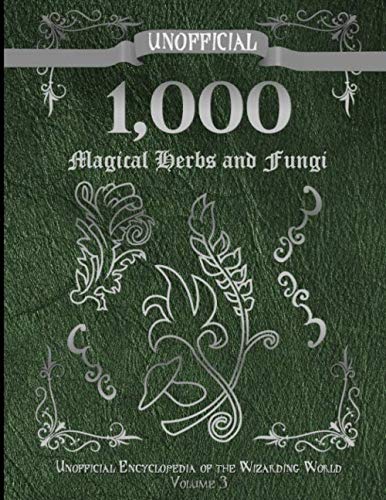
The Unofficial 1 000 Magical Herbs and Fungi brings you a listing of potion ingredients that have appeared in the Harry Potter series in a professional style school book in an encyclopedia format. This book contains 2 section Magical Herbs and Fungi (with ingredients from the plant kingdom) and Potion Ingredients (for all other types of potion materials.) The book has periodic Celtic markings. This volume is perfect for any Witch or Wizard in training. More Reviews On Amazon
6.) Mushrooms of the Upper Midwest A Simple Guide to Common Mushrooms (Mushroom Guides)

Hundreds of full color photos with easy to understand text make this a great visual guide to learning about nearly 400 species of common wild mushrooms found in the Upper Midwestern states of Illinois Indiana Iowa Michigan Minnesota North Dakota South Dakota and Wisconsin. The species (from Morel Mushrooms to Shelf Mushrooms) are organized by shape then by color so you can identify them by their visual characteristics. Plus with the Top Edibles and Top Toxics sections you’ll begin to learn which are the edible wild mushrooms. The information in the book written by Teresa Marrone and Kathy Yerich is accessible to beginners but useful for even experienced mushroom seekers. More Reviews On Amazon
7.) Radical Mycology A Treatise On Seeing And Working With Fungi
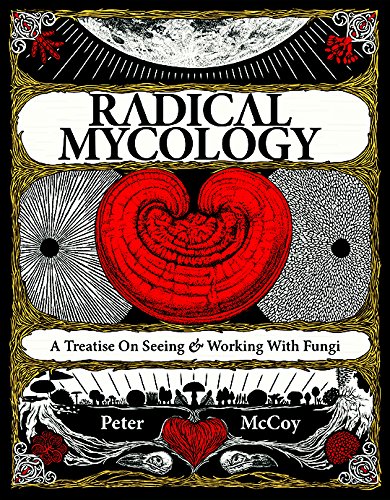
Interwoven with short essays on the lessons of the fungi Radical Mycology begins with chapters that explore the uniqueness of fungal biology the critical ecological roles of micro and macro fungi skills for accurately identifying mushrooms and mycorrhizal fungi the importance of lichens as indicators of environmental health and the profound influences that fungi have held on the evolution of all life and human cultures. With this foundation laid the reader is then equipped to work with the fungi directly. Techniques for making potent fungal medicines growing fermenting fungi for food and cheaply cultivating mushrooms using recycled tools (and yet still achieving lab quality results) are explored in depth. Subsequent chapters grow far beyond the limits of other books on mushrooms. Detailed information on the principles and practices of what McCoy calls “regenerative natural mushroom farming” is presented along with extensive information on cultivating mycorrhizal fungi and the science of mycoremediation (the application of fungi to mitigate pollution in our homes and environment). Concluding the book are deeper insights into the cultural effects that fungi present from a philosophical reflection of fungal growth in the design of human societies to an exhaustive examination of the history of psychoactive mushrooms. More Reviews On Amazon
8.) The Triumph of the Fungi A Rotten History
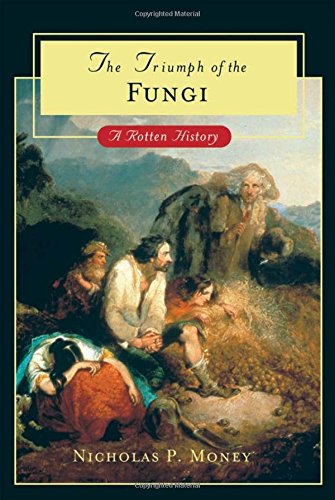
Everyone is aware of the nineteenth century Irish potato famine but fungal diseases of many other crops have had similarly apocalyptic consequences. Today coffee cacao and rubber are threatened by fungi throughout the tropics. Indeed fungi have carved their way through the ages attacking every plant that we cultivate constantly exploiting new hosts. In The Triumph of the Fungi Nicholas Money offers an intimate picture of these pernicious microbes the scientists who have sought to control them and the people directly impacted by the loss of forest trees and cash crops. Even with the development of fungicides and other scientific breakthroughs fungi continue to be unstoppable this is the story of their triumph. More Reviews On Amazon
9.) Fungi Fancy Coloring Book

Five Star Rated 24 single sided coloring pages matte cover which can also be colored! Highly detailed and great for meditation and relaxation Learn Mushroom identification the fun way 8.5″x 11″ page size More Reviews On Amazon
10.) Pacific Northwest Foraging 120 Wild and Flavorful Edibles from Alaska Blueberries to Wild Hazelnuts (Regional Foraging Series)

“Doug Deur invites us to discover the taste and history of the Northwest.” —Spencer B. Beebe author of Cache and founder of Ecotrust
The Pacific Northwest offers a veritable feast for foragers and with Douglas Deur as your trusted guide you will learn how to safely find and identify an abundance of delicious wild plants. The plant profiles in Pacific Northwest Foraging include clear color photographs identification tips guidance on how to ethically harvest and suggestions for eating and preserving. A handy seasonal planner details which plants are available during every season. Thorough comprehensive and safe this is a must have for foragers in Oregon Washington and Alaska.

